


Summit Africa's highest peak on Machame, Lemosho, Marangu and more — guided routes, proper acclimatization, and trustworthy mountain crews.
Climbing Kilimanjaro is a high-altitude trek, not a technical alpine climb — but success still depends on route choice, pacing, crew quality, and honest acclimatization. Tanzania Safari Trip runs guided ascents with experienced mountain teams, carefully staged camps, and clear pre-climb briefings so you know gear lists, daily distances, and what summit night actually feels like.
Choose classic trails like Machame or longer, higher-success profiles such as Lemosho. Add a short safari or Zanzibar cool-down after you descend. We keep logistics tight from Moshi/Arusha kit checks through park fees, meals, and your celebration dinner at the gate.


We match route length to your fitness and date window, staff climbs with proven guides and porters, and build rest into the itinerary rather than racing the mountain. You get transparent inclusions, safety briefings, and a summit strategy that privileges slow-and-steady over ego days.
January–March and June–October are the most popular, generally drier climbing windows. April–May and November bring more rain on the lower slopes — still climbable with the right expectations and gear. Summit temperatures are cold year-round; wind and cloud can change fast above the alpine desert.
Fit hikers who can walk several hours a day for 6–9 days, first-time high-altitude trekkers willing to go slow, corporate and friend groups wanting a shared challenge, and safari travellers who want one big achievement before or after wildlife days. Medical clearance is wise if you have heart, lung, or blood-pressure concerns.
Pick dates and a preferred route. We confirm park fees, crew, and camp nights, send a gear checklist, and brief you on daily stages. On trek, guides manage pace and health checks; porters move kit between camps. After descent we arrange transfers, hot showers, and optional safari or beach extensions.
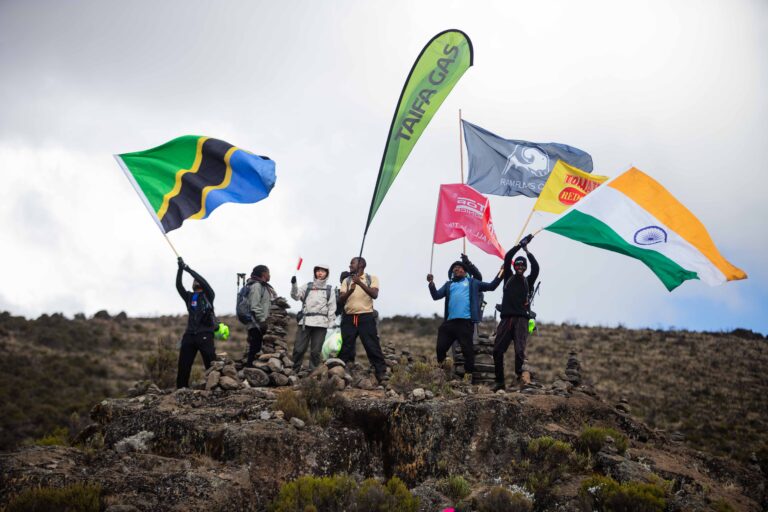


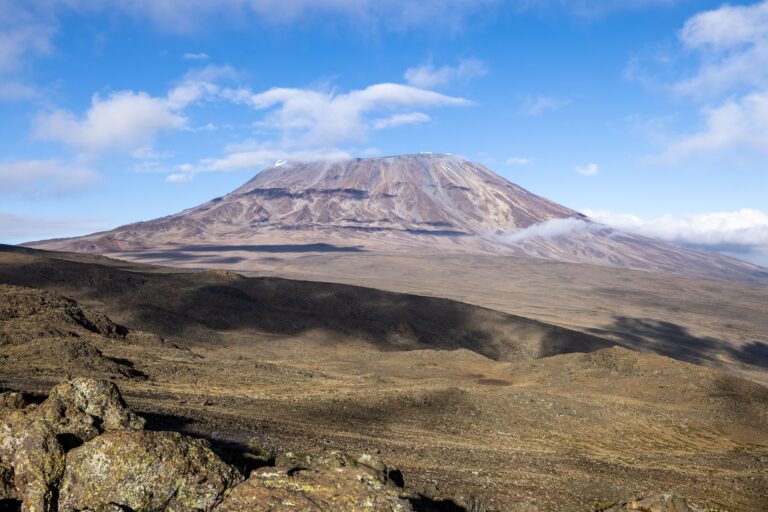

Longer routes with better acclimatization — such as Lemosho or extended Machame profiles — usually outperform rushed itineraries. We recommend based on your fitness and available days.
No ropes or glacier travel skills are required on the standard tourist routes. You need solid hiking fitness, warm layers, and the discipline to walk slowly at altitude.
Typical packages include park fees, guides/porters/cook, meals on the mountain, tents or huts by route, and transfers as listed. Personal gear, tips, and travel insurance are usually separate — we spell this out per trip.
Yes. Many guests climb first, then unwind on a northern-circuit safari or Zanzibar beach. We sequence recovery time so you are not rushing from gate to game drive the same afternoon.
Tell us your dates, fitness base, and preferred route length — we will recommend a climb profile and optional safari extension.
Request a custom quote