
There is no single perfect week for every Tanzania safari — but there is a best window for your goals: migration crossings, calving plains, dry-season clarity, green-season atmosphere, Kilimanjaro weather, or a quiet beach finish on Zanzibar.
This guide from Tanzania Safari Trip (Arusha) shows how seasons shape Northern Circuit parks — Serengeti, Ngorongoro, Tarangire, and Manyara — so you can pick dates with confidence, then ask us for a free itinerary matched to wildlife and weather.

Clear skies, reliable game viewing, and northern Serengeti crossings — the classic first-safari window across Tarangire, Ngorongoro, and the Serengeti.
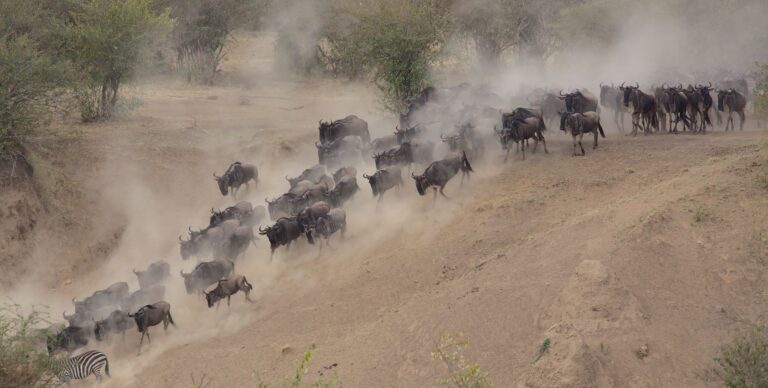
Southern Serengeti and Ndutu plains fill with newborns and predators — one of the best photography and big-cat windows of the year.

Lush landscapes, strong birdlife, and quieter parks from November to May — great value when you plan flexible routes around the rains.
The dry season is the classic first-safari window. Vegetation thins, animals gather around water, and game drives are usually productive from Tarangire elephant herds to Serengeti predator country and Ngorongoro crater floor.
January to March is famous for wildebeest calving on the southern Serengeti / Ndutu plains — an extraordinary time for predators and photography within the wider green season.
After the short rains begin, Tanzania turns green. Landscapes soften, birdlife peaks, and many areas feel quieter. Expect warmer days and afternoon showers, especially in the long rains (often peaking April to May).
Use this as a planning map — herds follow rain, so exact weeks shift every year:
If migration is your priority, tell us your fixed vacation dates and we place camps in the right Serengeti sector rather than guessing from a generic map.
For most first-time visitors, June to October (dry season) offers the most reliable game viewing and comfortable drive conditions. If you want Great Migration river crossings, focus on northern Serengeti roughly July to October. For calving and predator action on the southern plains, aim for January to March.
The herds move year-round. Calving is typically December to March in southern Serengeti. Central and western corridors are busy April to June. Mara River crossings are most likely July to October in the north. Exact timing shifts with rainfall — we match camps to the current pattern for your dates.
Yes. November to May brings greener landscapes, dramatic skies, fewer vehicles in many areas, and excellent birdlife. Short rains and long rains vary by month; some roads get muddier, and afternoon showers are more common. Photographers and repeat visitors often prefer green-season value and atmosphere.
There is no month with zero wildlife. The long rains peak (often around April to May) can mean more road delays and some seasonal camp closures in remote areas. If you must travel then, we choose lodges and routes that stay accessible and still deliver strong game drives.
Popular climb windows are roughly January to March and June to October. Pair a trek with a dry-season northern safari, or climb first then recover on safari or Zanzibar. We leave buffer days so altitude and long game-drive days do not stack harshly.
Dry safari months (June to October, plus January to February) also suit beach time. We plan wind and sea conditions into your Zanzibar base after Serengeti or Ngorongoro so the ocean finish feels restorative, not rushed.
Share your dates, group size, and whether you care most about migration, quiet green season, Kilimanjaro, or beach time. Tanzania Safari Trip will build a clear season-smart itinerary and quote.
