
Safari pricing in Tanzania is not one sticker price — it is a mix of park fees, lodge tier, vehicle style, season, and trip length. This guide from Tanzania Safari Trip (Arusha) explains what usually drives your quote so you can compare packages fairly and ask for a clear itinerary.
We avoid publishing fake “from” numbers that go stale overnight. Instead you will see the cost levers we use when building Serengeti, Ngorongoro, Tarangire, and Manyara trips — then request a tailored quote for your dates and group size.

Park fees, nights in-park, and how many people share a vehicle — the core building blocks of every quote.
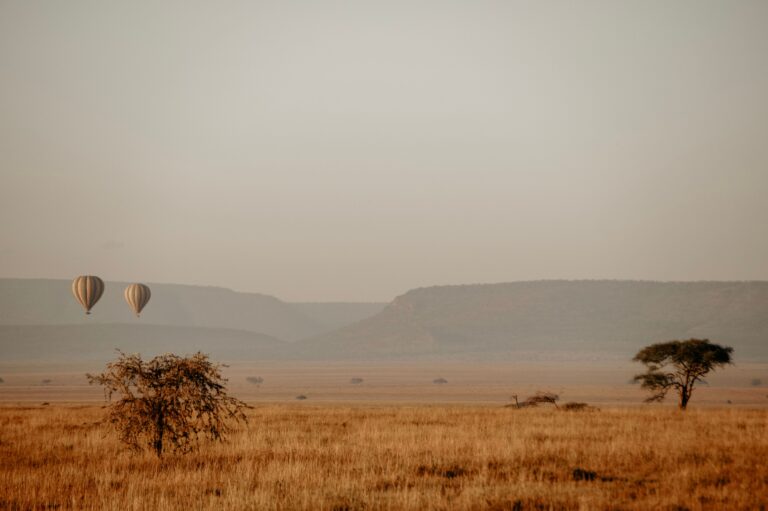
Budget camping to luxury tented camps, plus dry-season demand that lifts rates in migration zones.

What to share so Tanzania Safari Trip can price parks, lodges, and transfers without surprise gaps.
A complete safari price usually bundles (or itemizes) several fixed and variable pieces. Understanding them helps you spot incomplete quotes that look cheap until park fees appear later.
Ask whether your quote is all-inclusive on safari days (meals, park fees, game drives) or excludes fees — that single detail explains most “bargain” surprises.
Where you sleep drives a large share of the budget. Mid-range lodges outside park gates can be strong value; exclusive camps inside Serengeti or beside migration herds cost more and sell out early in peak months.
Moving from shared to private vehicle is another common upgrade: flexible timing, family pacing, and photography stops — priced into the transport line.
The fastest accurate quote includes a few solid inputs. Vague dates force soft ranges; tight inputs produce a real itinerary you can approve.
We reply with a proposed route, lodge examples, and what is included vs optional (balloon flight, cultural visit, beach nights). That way you compare value — not only a single number.
Cutting the wrong line item can shrink wildlife time more than cost. These levers usually protect experience while managing budget:
We flag when a cheaper option means longer road days or weaker wildlife positioning so you choose knowingly.
Quotes differ because park fees, lodge tier, private vs shared vehicles, season, and included flights change the total. Two “7-day Serengeti” packages can be completely different products. Always compare inclusions, not only price.
They should be itemized or clearly included on a transparent quote. Incomplete offers sometimes list lodge and car only. Ask: “Are NGORONGORO / Serengeti / Tarangire fees included for every park day?”
Per person, yes — especially for couples — because one vehicle and guide serve fewer people. Families and friend groups often find private value excellent for pacing and stops. Shared departures lower the vehicle share.
Shoulder and green-season months often bring better lodge rates and availability. Dry season and holiday peaks are pricier and sell out sooner in migration camps. Value still depends on routing and lodge choice.
Common extras: international flights, visas, travel insurance, tips, alcoholic drinks (policy varies), balloon safari, and souvenirs. Soft drinks and laundry policies differ by lodge — we note these on your itinerary.
Yes within realistic wildlife and safety standards. Share a target range and must-haves; we propose camping, mid-range, or mixed lodges and adjust nights and parks. We will say honestly if a budget cannot deliver a proper park experience.
Share your dates, group size, lodge style, and budget range. Tanzania Safari Trip will build an itinerary with transparent inclusions — parks, lodges, and drives — so you know exactly what you are paying for.
