


If you have typed are Tanzania safaris safe into Google at midnight, you are not being dramatic. You are being a responsible traveler. The short answer is yes – for most visitors, a guided Tanzania safari is one of the more controlled ways to travel in East Africa. The longer answer is more useful: safety here is less about Hollywood danger and more about operator quality, health prep, road sense, and knowing how parks actually work.

This guide is written from a local-operator point of view. We plan trips for first-timers, families, couples, and older travelers. We will cover wildlife etiquette, lodges, cities, malaria and vaccines (high-level only), solo travelers, kids, and the red flags that should make you walk away from a cheap quote.
Yes – Tanzania safari safety is generally strong when you travel with a licensed operator, stay inside park rules, and treat health prep seriously. National parks are managed spaces. Game drives happen in vehicles. Camps have staff, radios, and routines. The animals are wild, but your day is structured.
What feels “unsafe” to many first-timers is usually unfamiliarity: dust roads, night sounds, or a lion walking past camp fifty meters away while a ranger says, casually, do not leave your tent. That is not chaos. That is protocol.
People mix up three different risks. Separating them helps.
Wildlife incidents on commercial safaris are rare when guests stay seated in vehicles, do not lean out for selfies, and listen to guides. The danger is almost never the lion you see. It is the guest who treats a national park like a petting zoo.
Long drives, uneven roads, and tired driving matter more than most Instagram captions admit. A safer itinerary builds in buffer days, avoids absurd back-to-back night drives, and uses experienced drivers who know when to slow down.
Malaria prevention, food hygiene, sun, hydration, and ordinary urban common sense in Dar or Arusha affect more travelers than a leopard ever will. Safari safety includes the boring stuff.

These rules exist because someone, somewhere, tried the opposite. Good guides sound firm for a reason.
Often yes – and sometimes they are better than backpacker-style travel, because the structure is clearer. Families do best with private vehicles, realistic drive times, and lodges that understand kids. Seniors do best with shorter game-drive blocks, mid-range to comfort lodges, and fewer one-night hops.
If you are traveling with young children, ask specifically about seat arrangements, afternoon rest options, and whether a camp is fenced or unfenced. Unfenced is not “unsafe” by default – it just needs clearer briefing.

We are a safari company, not a clinic. Still, travelers keep asking the same KeywordTool-style questions: what vaccines do I need for Tanzania safari, yellow fever, typhoid, malaria. Treat this as a planning checklist, then confirm with a travel doctor or official health advice for your nationality and route.
Health anxiety is normal. What helps is a plan, not doom-scrolling forums at 1 a.m.
Most safari time is spent in protected areas. The risk profile changes in cities and some beach scenes. Use normal travel habits: trusted transfers, no flashing valuables, registered taxis or hotel cars at night, and clear meeting points.
If your trip adds Zanzibar after the bush, that combo is popular and usually straightforward when flights and hotels are arranged properly. See our guide to Tanzania safari and Zanzibar for pacing that does not turn the beach into a scramble.

Solo travelers join private trips or carefully chosen small groups all the time. Women travel these circuits every week. The practical advice is unglamorous: share your itinerary with someone at home, keep lodge Wi-Fi check-ins, use operator transfers, and choose accommodations with clear night protocols.
If a quote feels vague about who collects you, where you sleep, or what happens after dark at camp, ask again. Clarity is a safety feature.
Price alone does not equal danger – but opacity often does. Walk carefully if you see:
A safer safari is usually a clearer safari. Compare inclusions using our Tanzania safari cost breakdown so “cheap” does not mean “missing the expensive parts that protect you.”
When Tanzania Safari Trip builds a route, safety shows up as boring excellence: maintained vehicles, briefed drivers, realistic kilometers, backup plans for weather, and lodges we would send our own relatives to. We also match season to region – because a rushed migration chase in the wrong week creates stress, and stress creates bad decisions. Timing context lives in our best time for Tanzania safari guide.
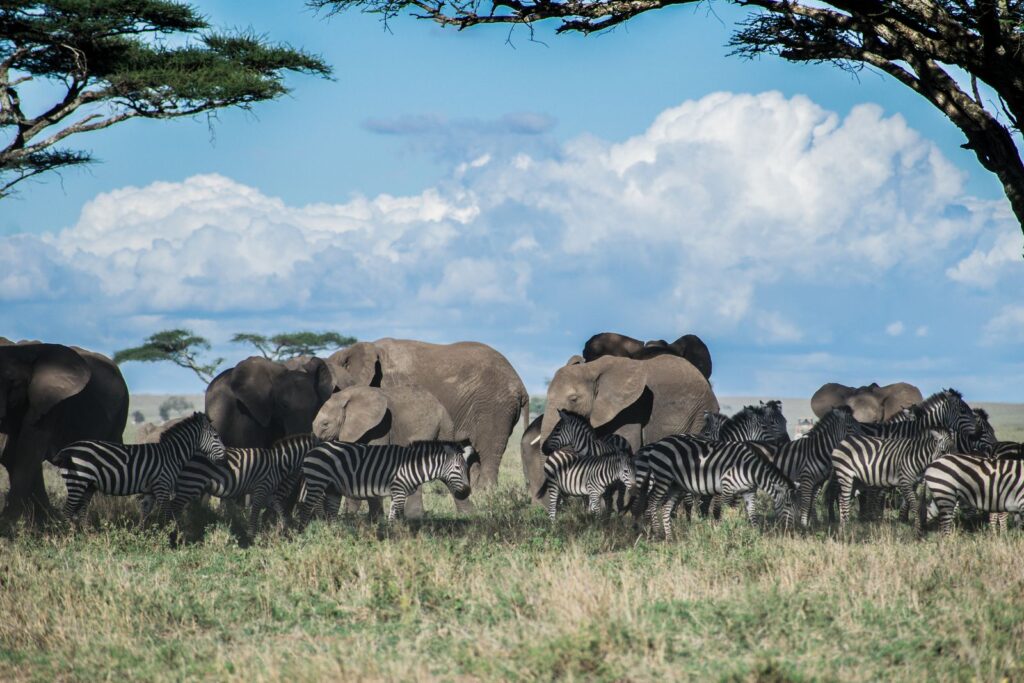
Neutral clothing, a warm layer for crater rims, closed shoes for uneven ground, sunscreen, insect repellent, and a headlamp for camp paths are not style choices. They are small risk reducers. Full checklist: Tanzania safari packing list.
If your nerves are asking “will I be okay?” the honest operator answer is: with the right partner, yes. Millions of visitors move through Tanzania tourism each year. The guests who feel safest are rarely the bravest. They are the ones who asked practical questions early, chose pace over bragging rights, and treated the bush with respect.
Ready to plan with clear inclusions and a route that fits your comfort level? Start at Plan Your Trip, browse safari packages, or contact us with your dates and travel style.
Yes. First-timers are the majority on many circuits. Choose a licensed operator, follow guide instructions, and build a paced itinerary. The unfamiliarity fades quickly once you understand camp and vehicle routines.
Many families safari successfully. Private vehicles, shorter drives, and kid-aware lodges help. Confirm ages, seating, and whether camps are fenced before you book.
Use normal city travel habits: trusted transfers, awareness of belongings, and hotel-arranged taxis at night. Most safari time is spent in managed park and lodge environments.
Requirements depend on your nationality, transit airports, and medical history. See a travel clinic early and ask specifically about malaria prevention and yellow fever documentation for your route.
Look for missing lodge names, unclear park fees, vague vehicle details, personal-account payments, or itineraries with no rest. Ask for written inclusions and emergency support details before paying.
Yes when used correctly. You remain seated, keep limbs inside, and follow the guide. Open sides improve viewing; they are not an invitation to stand up near predators.
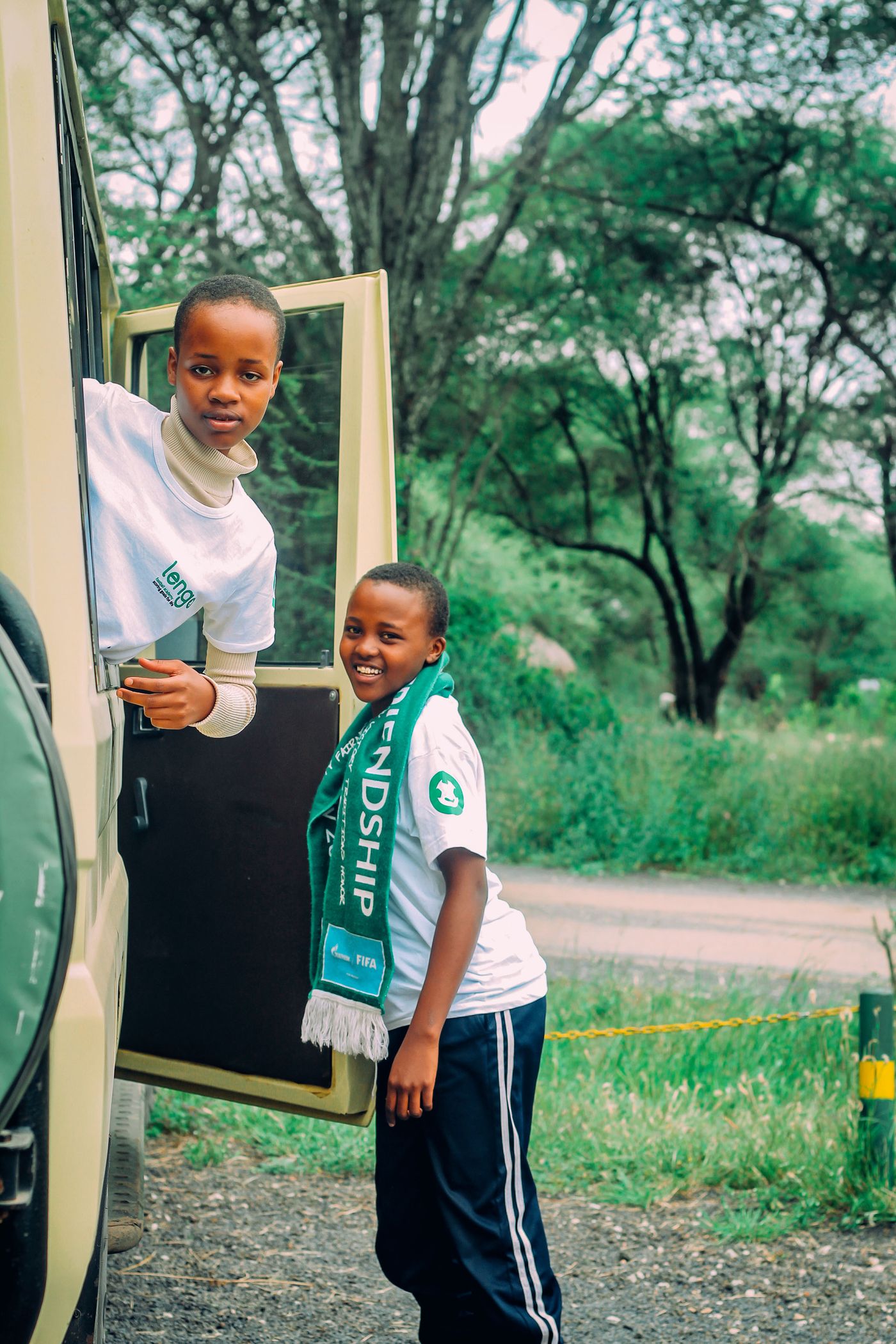
A family safari Tanzania trip is one of the few holidays that can make kids put the tablet down without a bribe. Lions at dawn, elephants at a watering hole, and a guide who knows when to go quiet – that mix turns travel days into

The essential Tanzania safari packing list: neutral clothing, layers, health items, camera gear, and what you do not need in the bush.