

Last updated: July 2026

I’ll be honest – when people email us asking for the best time for Tanzania safari, half of them already have a month in mind and just want permission. The other half are staring at a calendar like it might bite them.
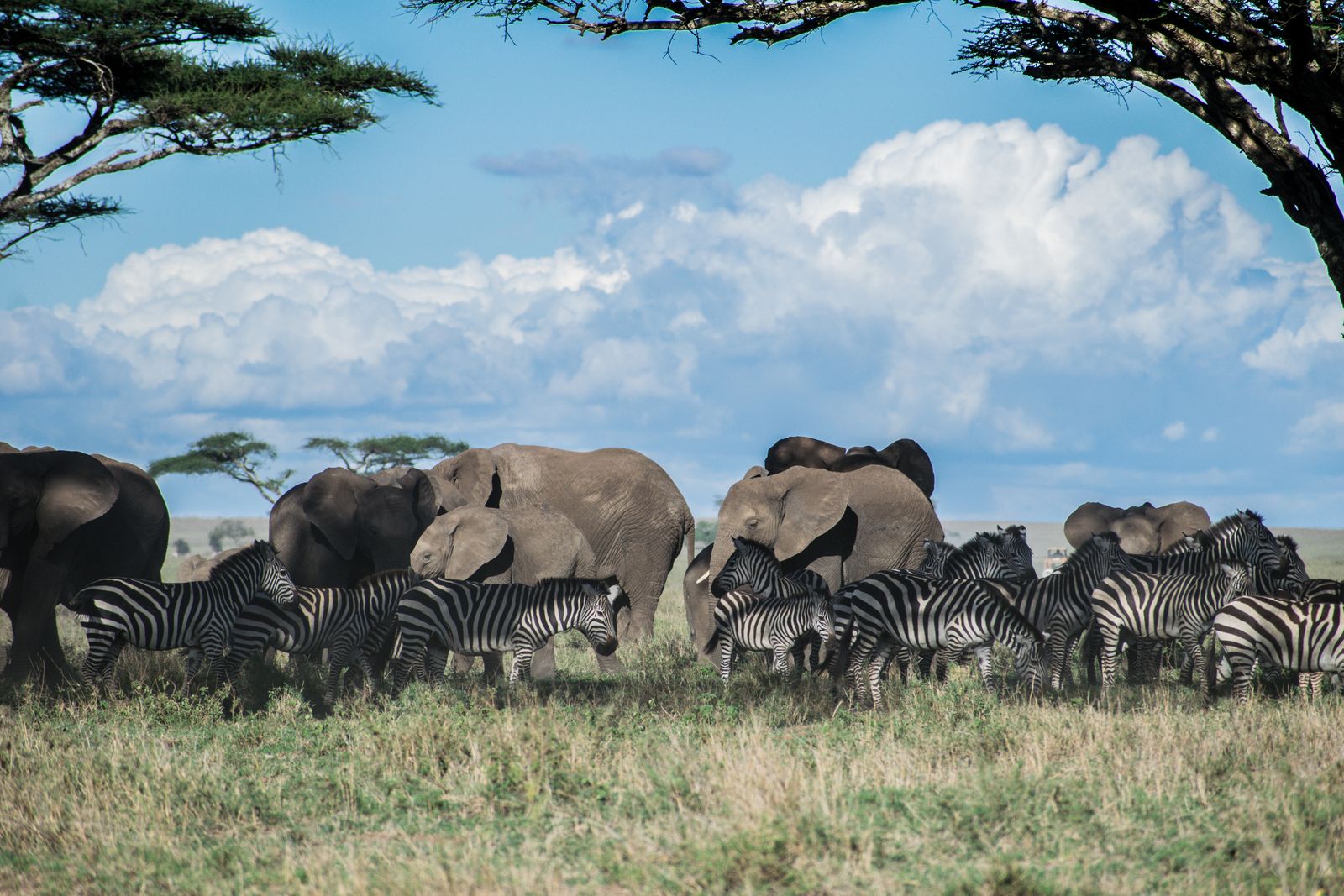
The best time for a Tanzania safari for most travelers is the dry season from June to October, when wildlife concentrates around water, roads are easier, and game drives feel punchy. That said, January-February is brilliant for calving season and fewer crowds in some areas, and the green season (roughly March-May) can be magical if you like dramatic skies, baby animals, and better rates. There isn’t one perfect month for everyone – there’s a perfect month for your kind of trip.
In my experience, the travelers who leave happiest aren’t the ones who “won” peak season. They’re the ones who matched their dates to what they actually wanted: migration drama, quiet lodges, family pacing, or a safari-and-beach combo that didn’t feel rushed.
This is for you if you’re planning a first Tanzania safari and keep reading conflicting advice online.
It’s also for you if you’ve done Kenya before and you’re wondering whether Tanzania timing is different (spoiler: yes, a little).
And if you’re the person who says, “We can go anytime as long as we see lions,” welcome. I love you. Also, let’s get more specific than that, because lions do not work like hotel breakfast.

For classic wildlife viewing and easier logistics, June to October is the safest “best time.” You’ll usually get clearer skies, animals gathering near rivers and waterholes, and the kind of game drives where your guide says, “There’s something ahead,” and you believe them.
If your dream is wildebeest drama, aim for:
If your dream is fewer vehicles and softer light, look hard at late October-November or carefully chosen green-season dates.
This is the season most people mean when they ask for the best time to visit Tanzania for safari.
What you get:
What surprised me the first hundred times: dry season doesn’t mean “no weather personality.” Mornings can be chilly in the highlands. Afternoons can cook you quietly. Dust becomes part of your skincare routine. The funny part is, after day three you stop fighting it and start accepting that beige is a lifestyle.
Green season is when Tanzania puts on a different outfit – lush, moody, photogenic, and sometimes dramatic.
What you get:
What you need to accept:
In my experience, green-season travelers are either the happiest people on the trip… or the ones who packed only white sneakers. There is no middle ground.

Use this as a practical calendar, not a prison sentence. Wildlife doesn’t read blogs. (Rude, but fair.)
Great for southern Serengeti / Ndutu-area calving action when conditions line up, plus warm weather and generally good visibility between short rains. Who loves it: photographers, couples, travelers who want wildlife drama without peak-crossing chaos. Watch-outs: some areas get busy around calving hotspots; heat can be real.
This is the “don’t book blind” season. Parts of it are gorgeous. Parts of it are wet enough that your guide develops a personal relationship with the 4×4. Who loves it: flexible travelers, birders, value seekers, people who like empty viewpoints. Watch-outs: packing for rain, choosing lodges/routes carefully, managing expectations on remote tracks.
One of my favorite “sweet spot” months. Dry season energy starts, landscapes still have leftover green in places, and the country starts feeling safari-ready in that crisp, hopeful way. Who loves it: first-timers who want classic conditions without full peak madness.
Peak popularity for a reason. Cooler dry weather, strong game viewing, and northern migration buzz when herds are in the right zones. Who loves it: travelers chasing iconic Serengeti moments. Watch-outs: book early. Popular camps and good guides disappear fast. Also, if you hate sharing a sighting with other vehicles, say that out loud before we plan – it changes the design.
Still excellent dry-season safari months. October can feel hotter and dustier, but wildlife viewing often remains strong. Who loves it: people who want dry-season reliability with a slightly different rhythm than July/August.
Shoulder-season magic. Short rains can freshen everything up. Crowds thin. Light gets interesting. Who loves it: photographers and travelers who value atmosphere. Watch-outs: rain timing varies year to year.
Festive-season travel, warm weather, and strong options depending on where the herds are. Great for combining safari with beach time if school holidays force your dates. Who loves it: families and end-of-year trip planners. Watch-outs: holiday pricing and popular lodge availability.
If someone says “Come in August for the migration” like it’s a ticketed show at 4 p.m., smile politely and keep reading.
River crossings in the northern Serengeti are most associated with roughly July-October, but herds move with grass and water. Some years feel early. Some feel late. Some days are quiet, then suddenly the plain is moving and your coffee goes cold in your hand.
Calving season in the south is typically around January-February, and it can be emotional in a way people don’t expect. Tiny wildebeest. Patient mothers. Predators paying very close attention. We were amazed the first time a guest whispered, “I thought this would feel cute. It feels… intense.” Both can be true.
What I got from years of timing these trips: don’t buy a month, buy a zone strategy. Your camp location matters as much as your calendar.

You can see iconic wildlife year-round in Tanzania’s northern circuit, but June-October usually makes spotting easier because vegetation is lower and animals use water sources more predictably.
Ngorongoro can deliver powerful sightings across seasons. Tarangire often shines in the dry months when elephants and other wildlife concentrate near the river system. Serengeti is a year-round universe with different neighborhoods lighting up at different times.
If your must-see list is “lion, leopard, elephant, buffalo, rhino,” tell your planner early. Rhino viewing is about the right place and patient guiding, not just the right month.
This combo search comes up constantly, and for good reason. Safari dust + Indian Ocean reset is a personality transplant.
A strong pattern for many travelers:
Zanzibar has its own weather personality. If beach days are non-negotiable, we plan the coastal half as carefully as the parks. In my experience, people forgive a dusty game drive faster than they forgive three beach days of sideways rain. Human nature.
Families often do best in:
What matters more than the brochure month:
The funny part is adults say they want “authentic wilderness,” then become extremely interested in laundry service and early dinners once they’re traveling with an eight-year-old.

If you want drama and mood:
If you want clean golden vistas and classic contrast:
Bring patience either way. The best frame I ever saw wasn’t planned. A leopard melted out of a sausage tree while a guest was still arguing with a lens cap. Nature has a sense of humor.
If your question is really “best time for Tanzania safari without peak-season prices,” look at:
Budget season is not “bad safari season.” It’s “choose camps and routes that match the weather” season. That’s where local planning earns its keep.
I still remember a guest from London announcing, “I know Africa, I packed light,” then borrowing a fleece like it was a diplomatic emergency. No judgment. We’ve all been that person once.
Peak months feel premium because they are.
If you want:
…book earlier than you think. The travelers who wait for “one more quote comparison” sometimes end up comparing waitlists.
That doesn’t mean you can’t travel last-minute. It means last-minute works better when you’re flexible on camp style and exact park nights.
If you want the “classic first safari” feeling: June-October.
If you want migration calving energy: January-February, with the right southern Serengeti plan.
If you want value + beauty and can stay flexible: November or carefully planned green-season dates.
If you want safari + beach and family logistics: Dry season or selected December-February windows.
If you’re torn between Kenya and Tanzania timing: Both can be extraordinary. Tanzania often wins for depth of park variety in one circuit and that crater-plus-plains-plus-beach storyline. “Is Kenya or Tanzania better for safari?” depends on style, not a scoreboard.
5-6 days: Keep it tight – Tarangire / Manyara / Ngorongoro / central Serengeti style routing depending on season. Don’t try to collect the whole country like stamps.
7-9 days: Sweet spot for northern circuit depth.
10-14 days: Add migration positioning, a special camp night, or Zanzibar without turning the trip into a suitcase triathlon.
Dry season: layers, sun protection, neutral clothes, bandana/dust strategy, warm morning layer.
Green season: light rain jacket, quick-dry clothing, mosquito awareness, shoes that forgive mud.
Either season: binoculars if you love details, and a sense of humor for the moment your hat tries to emigrate out the pop-top roof.
If you’re reading this and thinking, “Okay but which month for my dates and budget?” – that’s the real question. Two couples can travel in the same month and need completely different plans.
Browse our safari packages or tell us your month options, group style, and must-sees. We’ll map timing to parks, not just to a pretty calendar square.
u003cpu003eFor most travelers, June to October offers the most reliable dry-season game viewing and logistics. January-February is also excellent for many itineraries, especially around calving season areas.u003c/pu003e
u003cpu003eMany travelers pair a June-October safari with Zanzibar beach days. January-February can also work well. Confirm coastal weather expectations before locking beach nights.u003c/pu003e
u003cpu003eFor northern crossing energy, plan roughly July-October and stay flexible. For calving season, look at January-February in the southern Serengeti/Ndutu region when conditions align.u003c/pu003e
u003cpu003eYes – Tanzania is a year-round safari country. The best month depends on wildlife priorities, crowd tolerance, budget, and whether you are adding beach time.u003c/pu003e
u003cpu003eConsider shoulder periods like June, late October-November, or carefully chosen green-season dates, and prioritize quieter camp areas.u003c/pu003e
u003cpu003eNot automatically. Short storms can clear dust, deepen colors, and empty viewpoints. The key is route choice and realistic day planning.u003c/pu003e
u003cpu003eBoth are world-class. Tanzania is often stronger for varied northern-circuit landscapes and combining crater, plains, and beach in one journey. Kenya can be outstanding for certain migration and reserve experiences. Your style decides it.u003c/pu003e
u003cpu003eFor July-August and holiday periods, earlier is better – especially for popular lodges and special experiences like balloon safaris.u003c/pu003e
So, what’s the best time for a Tanzania safari?
If you want the simplest high-odds answer: June to October.
If you want drama with fewer cliches: ask better questions than “best month.” Ask what you want to feel – awe, quiet, migration tension, beach reset, family ease – and build dates around that.
In my experience, the trip becomes unforgettable the morning you stop checking the season chart in your head and start watching the light change on the plains. That’s the moment you came for.
When you’re ready, get a free safari quote with your preferred months and travel style. We’ll tell you honestly which dates sing – and which ones just look good on paper.

Honest Kenya vs Tanzania safari comparison: wildlife, crowds, migration timing, cost, and which country fits first-timers.
A family safari Tanzania trip is one of the few holidays that can make kids put the tablet down without a bribe. Lions at dawn, elephants at a watering hole, and a guide who knows when to go quiet – that mix turns travel days into

Last updated: July 2026 I’ll be honest – the first time a couple asked me for Tanzania safari and Zanzibar in the same breath, I almost laughed. Not because it was a bad idea. Because it was such a good idea that I wondered why anyone
Tanzania Safari And Zanzibar Packages | Wildlife + Beach Guide
July 25, 2026[…] Timing matters twice – once for wildlife, once for the coast. For a deeper month-by-month safari breakdown, see our guide to the best time for Tanzania safari. […]